
Seniors are vulnerable to abuse and exploitation in many ways. Unfortunately, the COVID-19 pandemic worsened what was already a worse situation. It is isolated seniors even more in 2020 and 2021, cutting their access to health care, counselling, and other services. The pandemic also stressed caregivers, causing some to take their woes out on senior citizens.
Although all age groups at risk of contracting COVID-19, older persons are at a significantly higher risk of mortality and sever disease following infection, with those over 80 years old dying at five times the average rate. An estimated 66% of people aged 70 and over have at least one underlying condition, placing them at increased risk of severe impact from corona virus. In such circumstances, the coronavirus crisis has added to the hardships and isolation of Nepal’s seniors.
Meanwhile, elderly may also face age discrimination in decisions on medical care, triage, and life-saving therapies. Global inequalities mean that, already pre-COVID 19, as many as half of older persons in some developing countries did not have access to essential health services and long term care facilities.
The virus is not just threatening the lives and safety of older persons; it is also threatening their social networks, social security, safety, their jobs and their pensions. While elders face a multitude of their own problems-deteriorating health, financial woes-there is something darker that looms out there. Elder abuse-it is a problem that exists the world over, and yet, is one of the least reported crimes.
The UN estimates that elder abuse is more prevalent in developing countries, putting it between 1-10 percent in developed countries. Since most cases are hushed up, dealt as a ‘private matter’ or simply not officially documented. Reports state that only 1 in 24 cases of elder abuse is reported. The reasons vary, the most common being that older people fear reporting cases of abuse to near and dear ones as well as the authorities.
It is simply carried out by someone they know and trust. As older adults become more physically frail, they’re less able to take care of themselves, stand up to bullying, or fight back if attacked.
Elder abuse can take many forms, including financial, emotional, physical, sexual abuse, abandonment, as well as exploitation and self-neglect. A simple query on the internet and next to your door reveals millions of stories of elders who have faced abuse at the hands of their own children, care givers and loved one just because they are no longer deemed ‘useful’ or ‘visible’. Despite being the most susceptible to coronavirus, the elderly were already getting the least priority from the state, society and increasingly even within families. Physically fragile, suffering memory loss or lonely seniors are politically ignored and socially ostracized which causes more chances to be abuse.
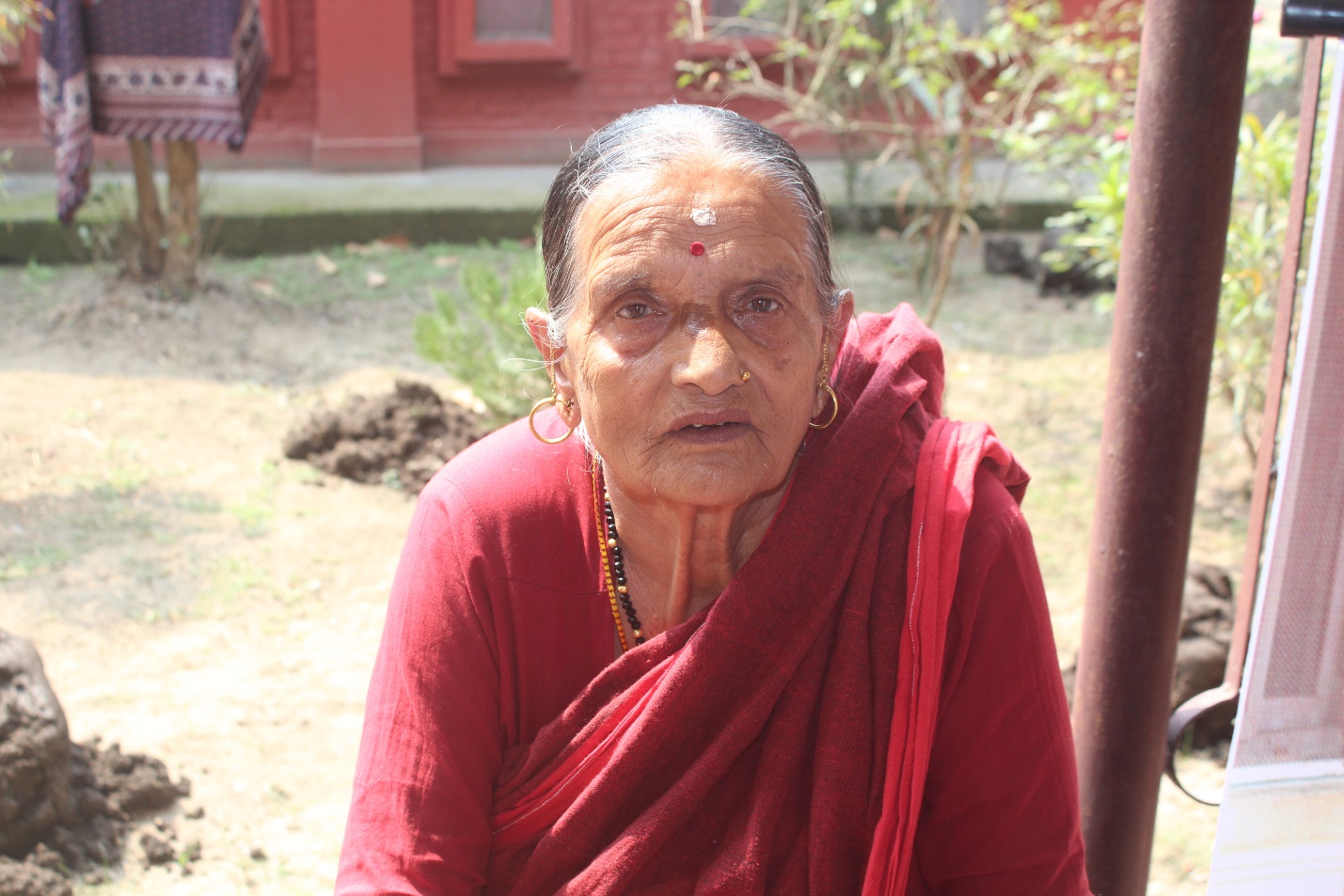
“Elder abuse is a scandal beyond belief. We are a society where love is vanishing and the inevitable outcome of that is a lot of emotional pain. You have got a generation below the older generation looking at their parents and wondering when are they going to kick you out of that home because you are no more useful once you get old’, said Sabitri Subedi 85 years older.
Besides that, Elder abuse tends to take place where the senior lives that occur in their own home, community, institutional settings, nursing homes, especially long-term care facilities. Therefore, it is a global social issue, which affects the health, well-being, independence and human rights of millions of older people around the world, and an issue, which deserves the attention of all in the community.
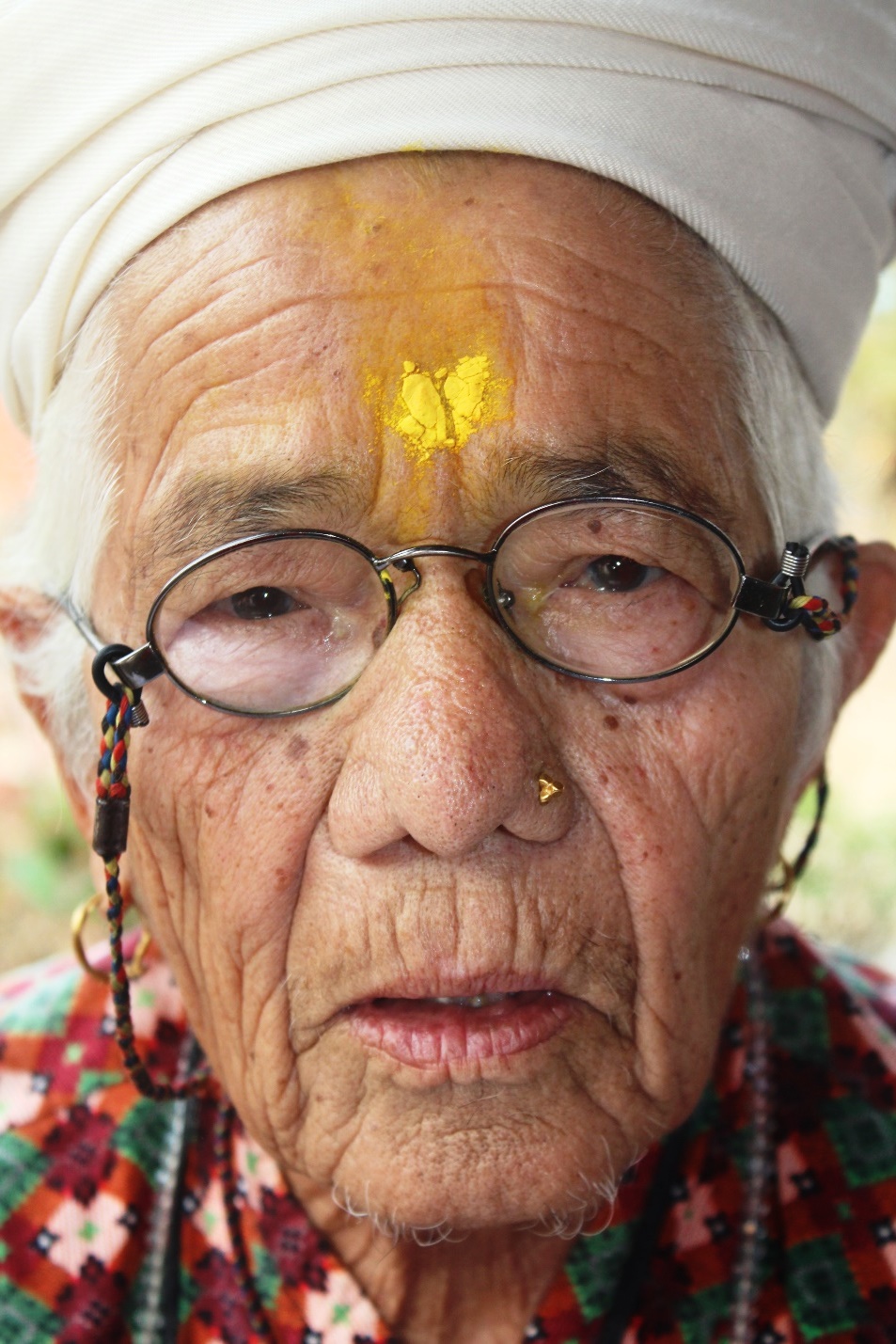
“You never know what’s going on behind those close doors. There may include older folk who are scolded, beaten, defrauded or denied access to others by people they love, most frequently their own flesh and blood. So, the only one solution for elder abuse is “dare to care”, says Dolomaya Devkota 83 years old.
Expression of abuses is still considered social stigma that discourages older adults from expressing the abuse they experience. Several research studies show that the prevalence of abuse of older adults in community is as high as around 50%. Abuse results in many adverse physical and psychological consequences: these include physical injuries and psychological problems, such as depression, anxiety and post-traumatic stress disorder, and can even cause death or attempt to suicide.
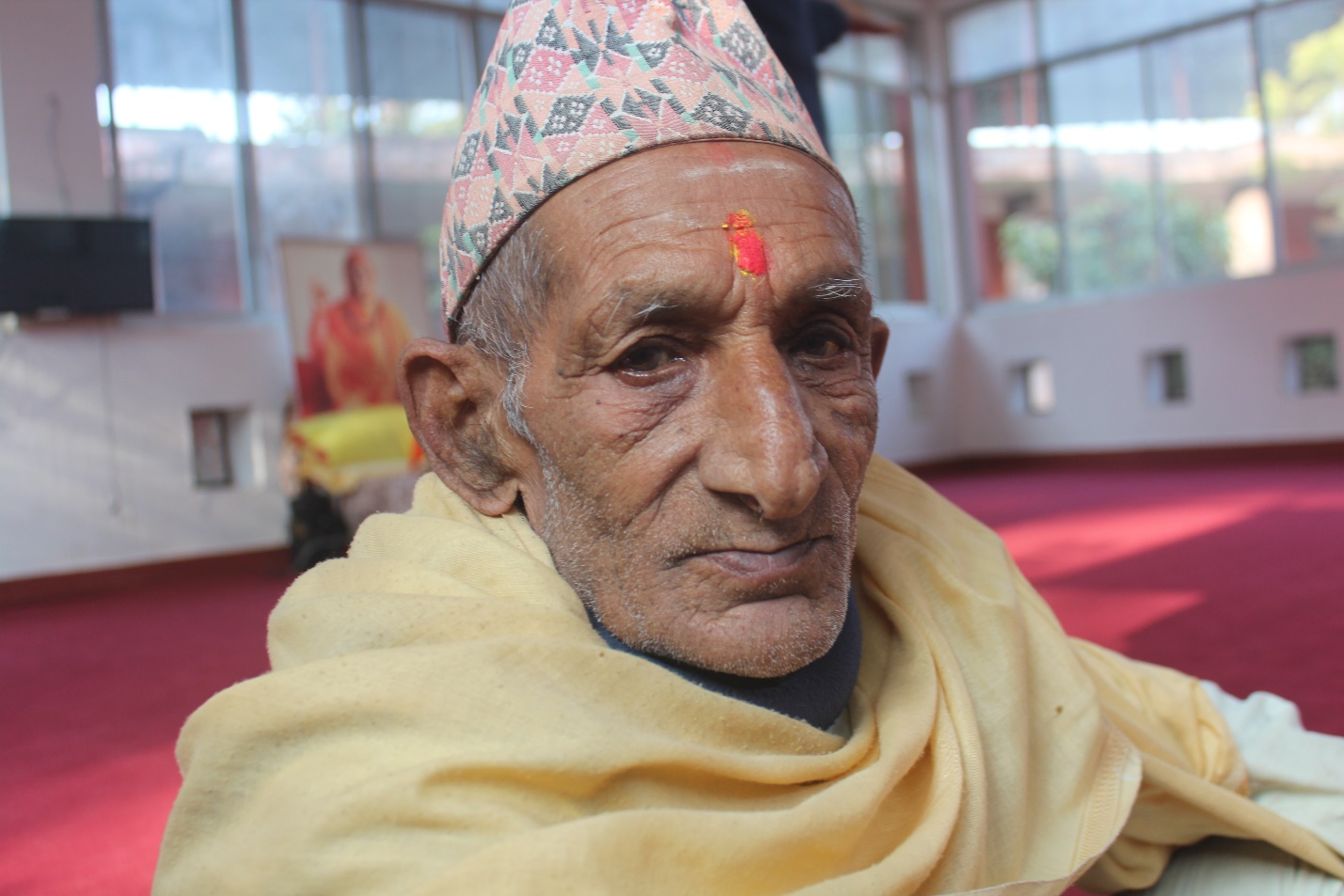
“My two sons told me let’s get your medicines. They dragged me to the car forcefully and dumped me at this old age home. Now, It has been a years since I have been here. Some families do not come to visit even if their parents die. It is sad to say they consider us unwanted, they don’t even care if we exist”, says Isor Prasad Pantha, 86 years old.
However, the statement above is easier said than done. Abuse is an extremely delicate matter, and more so when it comes to elders. Due to the pandemic, very often, those who are brave enough to speak about their situation have nowhere to go, but back to the home of their abusers. There are very few arrangements in place for those who would need shelter in the last few stages of life.
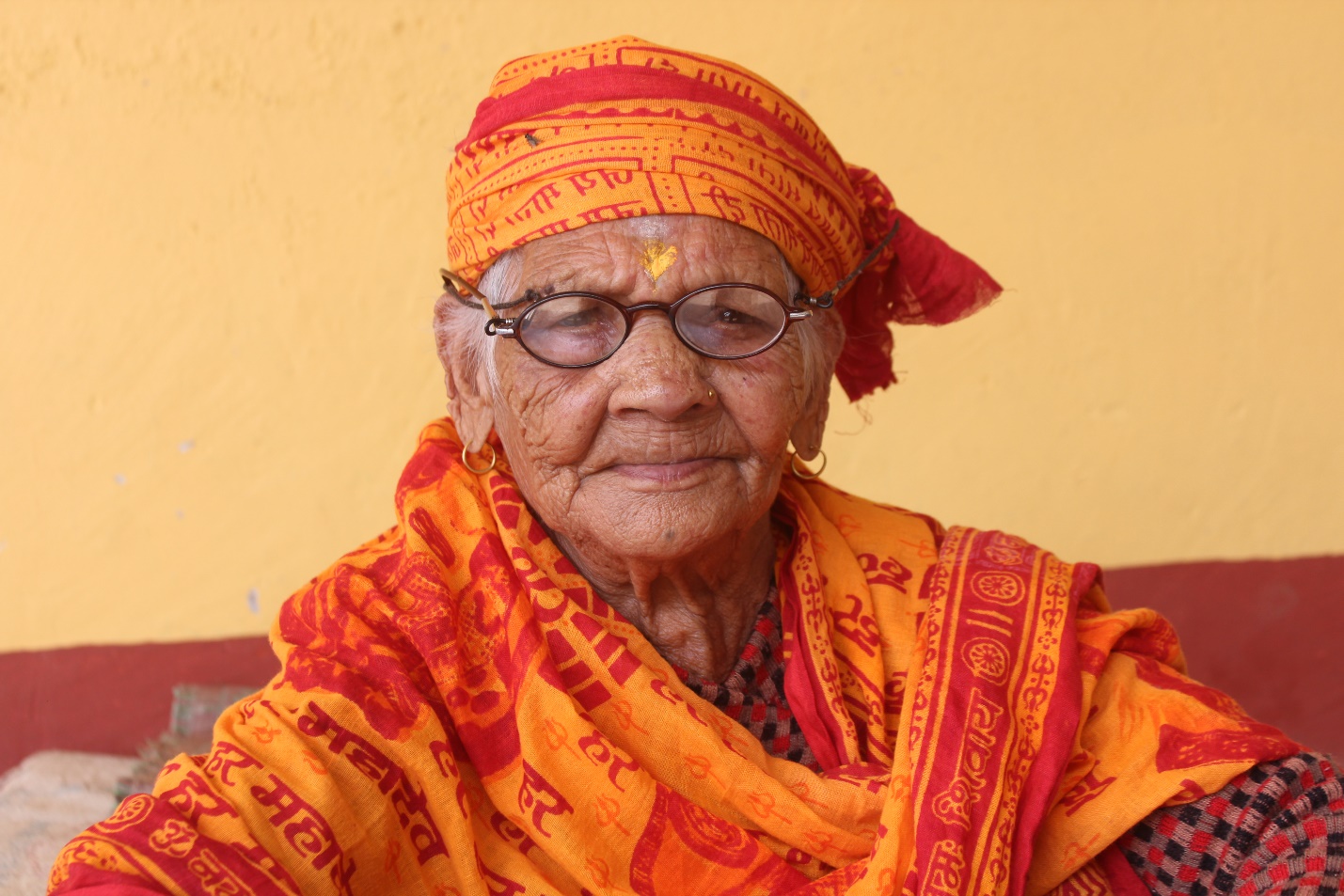
“Tackling ageism, abuse and indifference won’t be easy, but what I believe is that respecting the elderly is a good place to start. One needs to harness the knowledge, wisdom, and recognize the value of older people and what they bring to our society”, said 90 years Sanu Subedi Tanahu Nepal.
In such circumstances, elder abuse should be responses at global, national and sub-national level to galvanize social action against elder abuse and to develop legislation and other policy initiatives for the justice and welfare of the vulnerable aging population. It could be simply establishing the National Center on Elder Abuse, Calling Centers, Free telephone helpline and Free Counseling Services, which gives technical assistance and elder abuse prevention services.
Besides that, the local social service infrastructure, integrated community care can be established to help older people plan programmes, retirement, and insurance and develop their own services, as well as to campaign for change. Such activities will also give the older people strength and self-esteem.
Similarly, public education, self-educating to seniors and awareness raising are equally important elements in preventing abuse and neglect. It should be included of multidisciplinary practitioners from medicine, mental health, nursing to social work, criminal justice and religion-but also researchers, educators, policy-makers and decision makers. Likewise, awareness of the problem of elder abuse should also be promoted through media, community workshops with government involvement where anti-ageing attitudes are discouraged. And older people should be given the right to live in dignity-free of abuse and exploitation and are given opportunities to participate fully in educational, cultural, spiritual and economic activities.
World Elder Abuse Awareness Day, on 15 June with the slogan “Access to Justice” let us stand with all elderly people around the world, who are victims of elder abuse, why not we recommit ourselves to protecting every senior’s right to live their golden years with dignity and respect. Together we can work for elder justice by building inclusive communities that welcome people of all ages and abilities; by learning the warning signs of elder abuse, neglect, and exploitation; and by challenging age-related biases.
Kalpana Pun
Master’s in social work (Specializing in Gerontology)
Tribhuvan University