13 March, 2026.
The Dibang Multipurpose Hydropower Project also known as Dibang Dam is one of India’s largest and most ambitious hydropower initiatives.
It is a storage-based hydroelectric project with dual primary objectives of generating clean renewable energy and providing significant flood moderation benefits, particularly for downstream areas in Arunachal Pradesh and Assam. The 3097 MW Dibang Multipurpose Project is one of India’s largest hydropower initiatives, aimed at power generation, flood moderation, and regional development on the Dibang River.
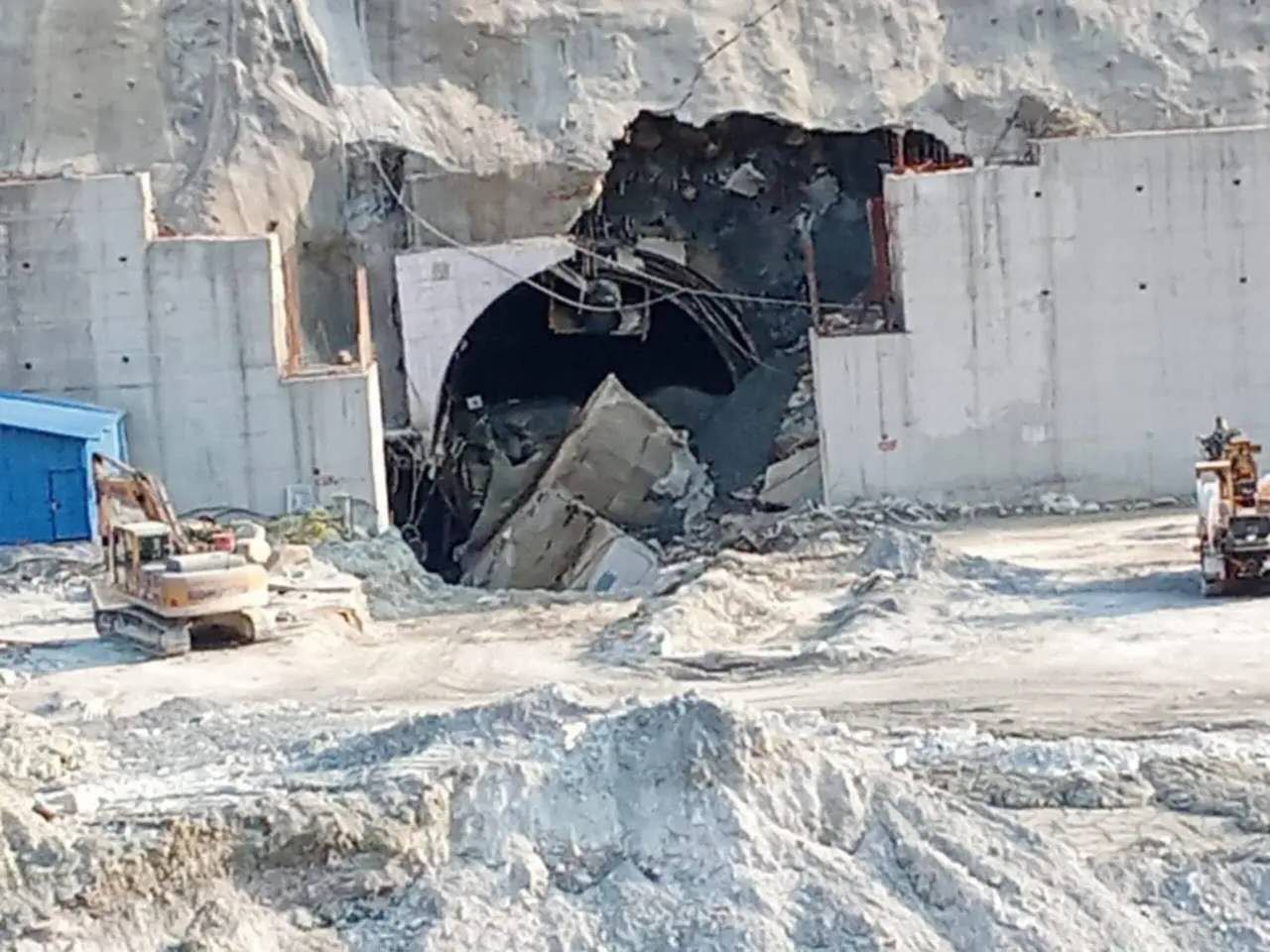
On March 4, a localized structural incident occurred at the Dibang Multipurpose Project (DMP) construction site in Lower Dibang Valley District, Arunachal Pradesh, India.
This involved the No. 3 Diversion Tunnel (DT-3), which was constructed by Larsen & Toubro (L&T) as part of the project’s civil works under NHPC, National Hydroelectric Power Corporation. The reported structural failure has raised critical questions regarding construction quality, engineering standards, and safety oversight at the site. Observers and local residents are questioning how such a failure could occur during the construction phase of a project of this magnitude.
Reports shared by Arunachal-based outlets like Arunachal Bulletin News, Arunachal Today, and others indicate that a portion of the tunnel showed signs of collapse or caving in during the construction phase. This has sparked significant concerns among observers, local residents, and commentators regarding the construction quality and engineering standards,safety oversight at the site and long-term structural integrity of the project, especially given its location in Seismic Zone-V a high-risk earthquake area. Also the damage makes a huge concern to the potential risks to workers, the project site, and nearby regions.
This incident has also triggered the concerns about the safety of workers at the project site and the well-being of the communities living near the surrounding areas.
With a planned capacity of 3097MW, the Dibang project is among the largest hydropower developments in India, making strict adherence to seismic safety standards, engineering standards and environmental safety the most important.
The incident draws national and international attention, concerned groups and observers are calling for a comprehensive investigation of the tunnel collapse, the construction quality, and whether adequate earthquake resilient engineering standards are being properly implemented.
Observers and local people claimed the poor quality of tunnel construction reflects the corruption and poor standards of equipment used for construction. The source added, Contracts awarded to unqualified or lowest-bid contractors may be one of the reasons for the poor quality of construction. In such high seismic areas where there are maximum possibilities of earthquakes and natural disasters, the Indian government’s poor vision and negligence reflects the government’s unawareness of safety measures and not following check-and-balance. The collapse of the tunnel might be because of government weak oversight and regulatory inspections or officials bribed to approve shoddy work, and ignore the violation of construction laws. These result in higher long-term costs for repairs & maintenance, safety risks for collapses and failures, economic waste, and eroded public trust.
Considering the international issues, this incident may cover Bangladesh concerns. Bangladesh’s typical concerns with upstream dams are India’s projects which involve serious concern because the upstream construction may reduce monsoon flows leading to salinity intrusion/droughts, or sudden releases of water from upstream might cause floods in the downstream. Bangladesh has historically expressed concerns about upstream dams on India’s Dibang Multipurpose Project (DMP). Bangladesh-India has not yet agreed for sharing of hydrological data. Bangladesh, as the lowest riparian downstream country,the government has voiced worries about large upstream hydropower projects constructed by India.
India’s unilateral construction of dams upstream has raised serious concern from Bangladesh since the Indian government has not provided any hydrological datas to Bangladesh. The recent incident of tunnel collapse has raised the Bangladesh concern and there will be heightened alerts from Bangladesh government making a diplomatic protest or ways to safeguard the national securities. Upon comprehensive analysis, Bangladesh may seek more comprehensive, year-round sharing of Hydrological datas and early warning systems for all shared rivers, including tributaries like Dibang.
The new government formed in Bangladesh led by the BNP party has Teesta project agreement with China for the management of water flow in the downstream regions, making the controlled flow of water. At the same time, India’s construction of Dibang Dam, has strategy of countering China’s Yarloong Sangpo / Bhramaputra river , and control water flow upto Bangladesh Bay of Bengal to disturb the China-Bangladesh agreement of Teesta Project. But the recent poor display of Dibang dam tunnel collapse actually exposes, is India really capable of managing water resources in such high seismic areas ? This has made a great concern for Bangladesh national security also. India must consider safety measures while constructing the biggest dam of the country as it is concerned with the lives of thousands of people.
Engineering failures like the tunnel collapse at the Dibang dam construction site highlight the grave risks these mega projects pose to human lives and the fragile Himalayan mountain ecosystems. Recent developments and reports from different parts of Arunachal Pradesh are raising serious and uncomfortable questions about large dam projects and their long-term consequences. The local people strongly raised questions about the government’s poor visions in infrastructure construction. When a tunnel collapses even before the projects become operational, it naturally raises serious questions about the quality of construction, safety measures, equipment standards and long-term reliability of such a massive infrastructure. Many people still criticize that dams built many years before are still standing strong today, but the government’s ambitious plan failed before being operational, leaving the public disappointed. If such an incident happens during the construction stage itself, then the question arises that what might happen once this project becomes fully operational with such poor standards and possibilities of further collapse ? This imposes the danger of dams not limited only to the risk of collapse, thousands of livestock will be endangered. If something goes wrong tomorrow, who will take responsibility ? Are the Indian government aware of situations risking the population who will suffer from such an incident ?
Yeah as a conclusion, it’s frustrating and unfortunately even major “national pride” or strategically sensitive infrastructure projects often end up tangled in serious corruption allegations. The Indian government lacks the structured mechanisms to track operational development progress and address corruption in strategic projects. The recent Dibang Multipurpose Project incident aligns closely and draws the government attention for the utmost sincerity of the Indian government needing robust tracking of operational development progress and corruption in strategic projects, especially in sensitive, high-risk areas like hydropower in seismic zones and ecologically fragile regions. These risks are not hypothetical , similar Himalayan projects such as Subansiri Lower have faced delays from floods, landslides, and quality issues. The March incident of the Dibang Dam diversion tunnel collapse serves as a reminder that early-phase failures can signal challenges for long-term structural integrity in such terrain.
Source :- AI Arunachal Pradesh